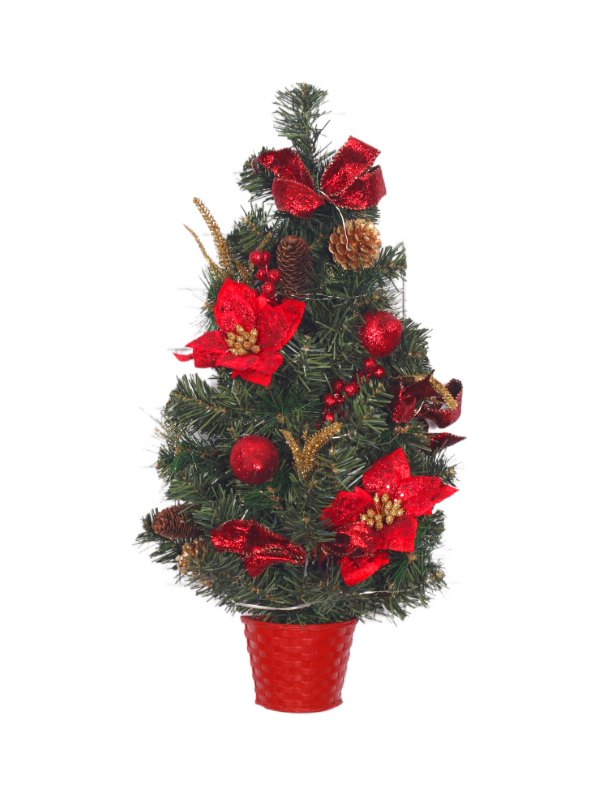
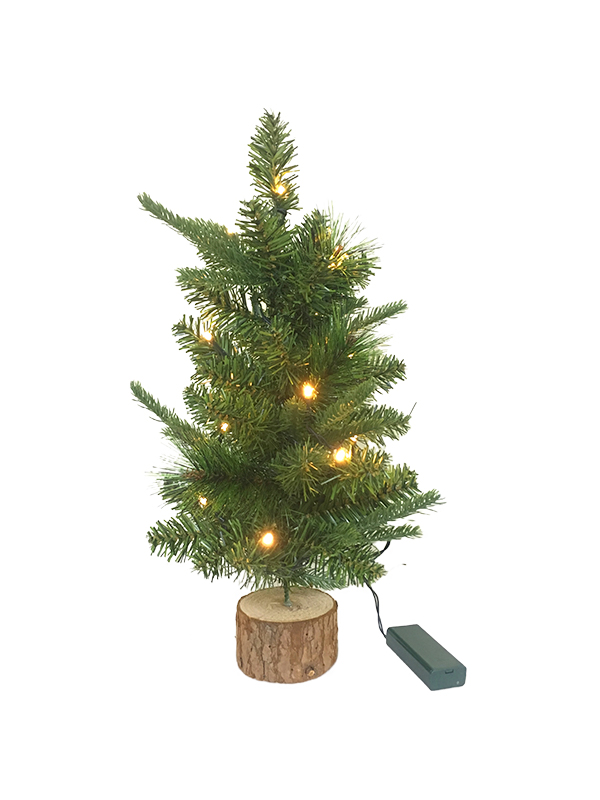
পোষাক a ক্রিসমাস ট্রি সুন্দরভাবে, এই প্রমাণিত আদেশ অনুসরণ করুন: প্রথমে আলো, তারপর মালা, তারপর বড় অলঙ্কার, তারপর ছোট অলঙ্কার এবং শেষে টপার . ভিতরে থেকে এবং বড় থেকে ছোট পর্যন্ত স্তরে কাজ করা গভীরতা, ভারসাম্য এবং একটি পালিশ ফলাফল তৈরি করে — আপনি তাজা কাটা পাইন সাজান বা একটি কৃত্রিম ক্রিসমাস ট্রি . পুরো প্রক্রিয়া লাগে 60-90 মিনিট পদ্ধতিগতভাবে করা হলে একটি 6-ফুট গাছের জন্য।
ধাপে ধাপে: কীভাবে একজন পেশাদারের মতো ক্রিসমাস ট্রি সাজবেন
অভ্যন্তরীণ ডিজাইনার এবং পেশাদার ডেকোরেটররা একটি সামঞ্জস্যপূর্ণ ক্রম অনুসরণ করে যা সবচেয়ে সাধারণ ভুলগুলিকে প্রতিরোধ করে — প্যাচি হালকা কভারেজ, সামনে-ভারী অলঙ্কার বসানো এবং একটি সমতল, দ্বি-মাত্রিক চেহারা। এখানে সেই ক্রমটি সম্পূর্ণ:
- সেট আপ এবং গাছ আকৃতি. একটি কৃত্রিম ক্রিসমাস ট্রির জন্য, 10-15 মিনিট ব্যয় করুন এবং পৃথক শাখাগুলি বাইরের দিকে বাঁকুন। শাখাগুলি টিপস এ সামান্য উপরের দিকে কোণ করা উচিত. এই ধাপটিকে অবহেলা করা হল কৃত্রিম গাছগুলিকে সমতল এবং অবিশ্বাস্য দেখায় একমাত্র সবচেয়ে বড় কারণ।
- ট্রাঙ্ক থেকে ডগা পর্যন্ত আলো যোগ করুন। গোড়া থেকে শুরু করুন, ট্রাঙ্কের চারপাশে স্ট্র্যান্ডটি মোড়ানো করুন, তারপর শাখার টিপস এবং পিছনের দিকে বাইরের দিকে বুনুন। ব্যবহার করুন গাছের উচ্চতা প্রতি ফুট 100 লাইট একটি বেসলাইন হিসাবে - একটি 6-ফুট গাছের একটি পূর্ণ, উজ্জ্বল প্রভাবের জন্য কমপক্ষে 600টি আলো প্রয়োজন।
- ড্রেপ বড়দিনের মালা . উপরে থেকে শুরু করে, গাছের চারপাশে প্রশস্ত, আরামদায়ক swags মধ্যে লুপ মালা। এটিকে খুব টানটান করা এড়িয়ে চলুন - প্রাকৃতিক-সুদর্শন বক্ররেখা কমনীয়তা যোগ করে। একটি 6 ফুট গাছ সাধারণত প্রয়োজন প্রতি ফুট উচ্চতায় 9 ফুট মালা , তাই মোটামুটি মোট 54 ফুট.
- প্রথমে বড় এবং বিবৃতি অলঙ্কার রাখুন। এগুলিকে কেবল সামনের দিকে নয়, সমস্ত দিক জুড়ে সমানভাবে বিতরণ করুন। চাক্ষুষ গভীরতা যোগ করতে শাখাগুলির গভীরে বড় টুকরাগুলিকে ধাক্কা দিন।
- মাঝারি এবং ছোট অলঙ্কার সঙ্গে পূরণ করুন. এলোমেলো বিক্ষিপ্ততার পরিবর্তে একটি কিউরেটেড চেহারার জন্য তিনটি গ্রুপে পরিপূরক রঙ এবং আকারগুলিকে একত্রিত করুন।
- যোগ করুন বিশেষ ক্রিসমাস সজ্জা . এটি চূড়ান্ত স্তর - ফিতা পিক, ফুলের কান্ড, তারকা বিস্ফোরণ এবং বিশেষ অলঙ্কার যা আপনার থিম বা ব্যক্তিগত শৈলীকে প্রতিফলিত করে।
- ট্রি টপার দিয়ে শেষ করুন। একটি তারকা, দেবদূত বা বড় ধনুক শেষ পর্যন্ত যায়। এটিকে কেন্দ্রীয় ট্রাঙ্কে সুরক্ষিত করুন যাতে এটি সোজা হয়।
- যোগ করুন the tree skirt. স্ট্যান্ডটি লুকানোর জন্য এটিকে বেসের চারপাশে রাখুন এবং স্থল স্তরে চেহারাটি নোঙ্গর করুন।
আপনার ফাউন্ডেশন হিসাবে সঠিক কৃত্রিম ক্রিসমাস ট্রি নির্বাচন করা
সমাপ্ত অলঙ্করণের গুণমান সরাসরি এটির নীচে গাছের গুণমানের সাথে আবদ্ধ। একটি বিরল বা খারাপ আকৃতির কৃত্রিম ক্রিসমাস ট্রি পেশাদার চেহারার সাজসজ্জাকে প্রায় অসম্ভব করে তোলে।
খুঁজতে কী স্পেসিফিকেশন
| গাছের উচ্চতা | ন্যূনতম শাখা টিপস | প্রস্তাবিত লাইট | মালা প্রয়োজন |
| 4 ফুট | 300 | 400 | ~36 ফুট |
| 5 ফুট | 500 | 500 | ~45 ফুট |
| 6 ফুট | 700 | 600 | ~54 ফুট |
| 7 ফুট | 1,000 | 700 | ~63 ফুট |
| 8 ফুট | 1,400 | 800 | ~72 ফুট |
সম্পূর্ণ, পেশাদার চেহারার জন্য কৃত্রিম ক্রিসমাস ট্রি উচ্চতার দ্বারা সুপারিশকৃত শাখা টিপের সংখ্যা, হালকা পরিমাণ এবং মালার দৈর্ঘ্য
সুচের ধরন এবং তাদের ভিজ্যুয়াল প্রভাব
বেশিরভাগ প্রিমিয়াম কৃত্রিম ক্রিসমাস ট্রি প্রকৃত গাছের অনুকরণ করতে সুই ধরনের মিশ্রণ ব্যবহার করে:
- পিভিসি সূঁচ — ফ্ল্যাট এবং চকচকে, আকৃতি ভালভাবে ধরে রাখুন, ফ্লাফ করা সহজ; সবচেয়ে সাশ্রয়ী মূল্যের
- PE (পলিথিন) সূঁচ - বাস্তব সূঁচের মতো দেখতে ঢালাই করা, অনেক বেশি বাস্তবসম্মত; খরচ যোগ করে 30-60%
- PE/PVC মিশ্রণ - বাস্তবতা এবং মূল্যের সর্বোত্তম ভারসাম্য; বেশিরভাগ মধ্য-পরিসরের গাছে ব্যবহৃত হয় ($150-$400)
আপনি যদি একটি গাছে বিনিয়োগ করেন তবে আপনি এটি ব্যবহার করবেন 10 বছর , একটি PE/PVC মিশ্রণের সাথে ঝাঁকে ঝাঁকে (তুষার-ধুলোযুক্ত) টিপস বেশি খরচ হয় তবে যতগুলি ফিলার সজ্জার প্রয়োজন তা দূর করে, যেহেতু গাছটি নিজেই আরও সম্পূর্ণ খালি দেখায়।
সর্বাধিক প্রভাবের জন্য ক্রিসমাস মালা কীভাবে ব্যবহার করবেন
ক্রিসমাস মালা সবচেয়ে বহুমুখী এবং underutilized সজ্জা উপাদান এক. একটি গাছে এটি গঠন যোগ করে এবং ফাঁক পূরণ করে; গাছ থেকে এটি একটি ঘর জুড়ে আপনার শোভাকর স্কিম প্রসারিত করে।
গাছে
একটি গাছে ক্রিসমাস মালা দিয়ে সবচেয়ে সাধারণ ভুল হল এটিকে খুব শক্তভাবে আঁকড়ে রাখা, প্রাকৃতিক swags এর পরিবর্তে একটি সর্পিল চেহারা তৈরি করে। পরিবর্তে:
- শীর্ষে শুরু করুন এবং প্রতিটি লুপ ড্রপ করুন 8-12 ইঞ্চি ট্রাঙ্কের দিকে ফিরে যাওয়ার আগে
- ফুলের তারের বা ছোট অলঙ্কারের হুক ব্যবহার করুন প্রতিটি মালাকে শাখার সর্বনিম্ন বিন্দুতে বাঁধতে
- একটি 6-ফুট গাছের জন্য, তিন থেকে চারটি পৃথক মালা একত্রে স্তরিত - পুঁতির মালা, পাতার মালা এবং একটি ফিতার মালা - একটি সমৃদ্ধ টেক্সচারযুক্ত চেহারা তৈরি করে
রুমের চারপাশে
ক্রিসমাস মালা ম্যান্টেল, সিঁড়ি, দরজার ফ্রেম এবং জানালার পাশে সুন্দরভাবে কাজ করে। একটি মান 9-ফুটের মালা প্রতিটি পাশে পর্যাপ্ত ওভারহ্যাং সহ একটি সাধারণ ফায়ারপ্লেস ম্যান্টেলকে কভার করে। সিঁড়ির জন্য, ব্যানিস্টারের মোট দৈর্ঘ্য পরিমাপ করুন এবং প্রাকৃতিক ড্রপিংয়ের জন্য 20% অতিরিক্ত যোগ করুন।
- মনটেলের মালা: একটি পাতার গোড়ার স্তর রাখুন, তারপরে পাইনকোন, বেরি পিক এবং ব্যাটারি চালিত পরী লাইট যোগ করুন
- সিঁড়ির মালা: প্রতি 12-18 ইঞ্চি জিপ টাই বা ফিতা ধনুক দিয়ে সুরক্ষিত করুন যাতে ঝুলে যাওয়া রোধ করা যায়
- ডোরফ্রেমের মালা: অন্তত জন্য রেট আঠালো হুক ব্যবহার করুন 3 পাউন্ড ক্ষতিকারক পেইন্টওয়ার্ক এড়াতে
একটি ক্রিসমাস পুষ্পস্তবক ঝুলানো: বসানো এবং স্টাইলিং
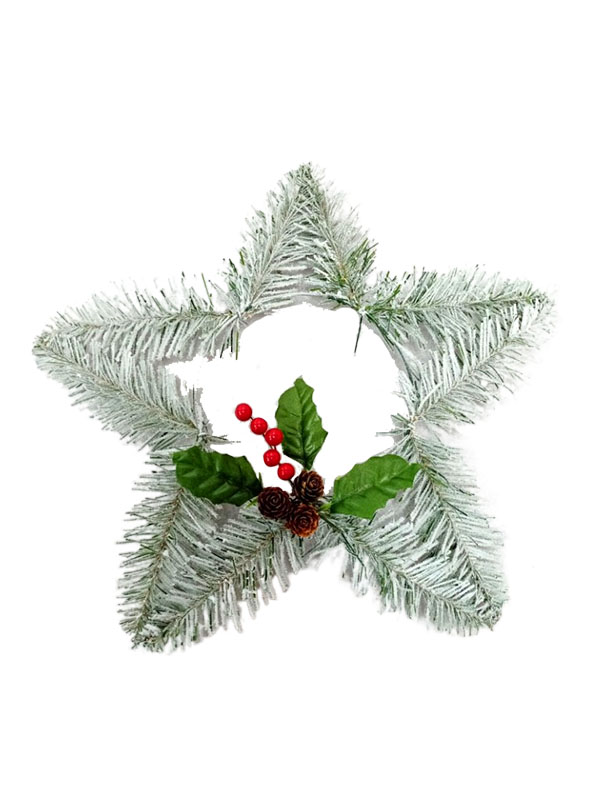
ক বড়দিনের পুষ্পস্তবক সামনের দরজায় রাখা ভিতরের সবকিছুর জন্য সুর সেট করে। আদর্শ পুষ্পস্তবক ব্যাস হয় দরজার প্রস্থের প্রায় 60% — একটি আদর্শ 36-ইঞ্চি দরজার জন্য, এর মানে হল একটি 18-22 ইঞ্চি পুষ্পস্তবক। বড় পুষ্পস্তবক (24-30 ইঞ্চি) ডবল দরজা বা বড় আকারের প্রবেশপথে ভাল কাজ করে।
অভ্যন্তরীণ পুষ্পস্তবক ধারনা যা সামনের দরজার বাইরে যায়
ক single wreath is just the start. Consider these placements to create a cohesive holiday atmosphere throughout your home:
- কbove the fireplace: ক large 30-inch wreath centered above a mantel creates a dramatic focal point, especially when lit with small LED fairy lights woven through the greenery
- অভ্যন্তরীণ দরজায়: শয়নকক্ষ বা বাথরুমের দরজায় ছোট 12-14 ইঞ্চি পুষ্পস্তবক অপ্রতিরোধ্য ছোট জায়গা ছাড়াই ক্রিসমাস থিমকে প্রসারিত করে
- কs a table centerpiece: একটি ডাইনিং টেবিলে একটি ফ্ল্যাট পুষ্পস্তবক বিছিয়ে দিন এবং একটি সাধারণ, মার্জিত ক্রিসমাস সেন্টারপিসের জন্য কেন্দ্রে মোমবাতি রাখুন
- উইন্ডোজে: ভিতরে এবং বাইরে থেকে দৃশ্যমান চেহারার জন্য সাকশন কাপ হুক সহ জানালার ভিতরে পুষ্পস্তবক ঝুলিয়ে দিন
পুষ্পস্তবক সজ্জিত কৌশল
ক plain foliage wreath becomes a statement piece with the right additions. Work from largest to smallest elements, just as with the tree:
- একটি দিয়ে শুরু করুন পটি নম ফোকাল পয়েন্ট হিসাবে উপরে বা নীচে — তারযুক্ত ফিতা ব্যবহার করুন যাতে এটি তার আকৃতি ধরে রাখে
- কdd 3-5 বড় অ্যাকসেন্ট টুকরা (পাইনকোন, বড় আকারের অলঙ্কার, শুকনো কমলা) প্রায় সমান বিরতিতে বিতরণ করা হয়
- দিয়ে পূরণ করুন বেরি পিক বা ফুলের ডালপালা রঙ এবং টেক্সচার যোগ করতে
- টাক ইন পরী লাইট শেষ, পুষ্পস্তবক তারের সঙ্গে পুষ্পস্তবক ফ্রেমে তারের সুরক্ষিত
বিশেষ ক্রিসমাস সজ্জা যে কোনো গাছ উন্নত
স্ট্যান্ডার্ড বাউবলের বাইরে, বিশেষ ক্রিসমাস সজ্জা যা একটি গাছকে "সুন্দর" থেকে "স্মরণীয়" এ রূপান্তরিত করে। এগুলি সেই টুকরো যা অতিথিরা লক্ষ্য করে এবং যেগুলি একটি গাছকে স্বতন্ত্রভাবে আপনার করে তোলে৷
স্টেটমেন্ট টপারস
ট্রি টপার পুরো গাছের সর্বোচ্চ দৃশ্যমান উপাদান। সবচেয়ে জনপ্রিয় বিকল্প:
- আলোকিত তারা: কার্যত কোন রঙের স্কিমের জন্য কাজ করে; এলইডি সংস্করণগুলি শীতল এবং কৃত্রিম গাছগুলিতেও নিরাপদ
- কngel: ঐতিহ্যগত এবং কালজয়ী; লম্বা গাছে স্থিতিশীলতার জন্য ওজনযুক্ত বেস সহ একটি বেছে নিন
- বড় ধনুক: তারযুক্ত ফিতা থেকে তৈরি, এটি সর্বোচ্চ বা খামারবাড়ি-শৈলীর গাছের জন্য উপযুক্ত; একটি ধনুক ব্যবহার করে 4-5 গজ 4-ইঞ্চি ফিতা একটি চিত্তাকর্ষক, সম্পূর্ণ টপার তৈরি করে
- ফুলের বিন্যাস: ক cluster of stems, berries, and picks tied together — trending in Scandinavian and botanical-themed trees
উত্তরাধিকারী এবং আবেগঘন অলঙ্কার
পেশাদার ডেকোরেটররা উত্তরাধিকারসূত্রে বা অনুভূতিপূর্ণ অলঙ্কার রাখার পরামর্শ দেন সামনের দিকের চতুর্ভুজের উপর চোখের স্তর গাছের যেখানে তারা সবচেয়ে বেশি দৃশ্যমান। এগুলি সেই টুকরো যা গল্প বহন করে — হস্তনির্মিত সজ্জা, তারিখের বার্ষিক অলঙ্কার বা পরিবারের কাছ থেকে উপহার। তাদের পিছনের কাছে আটকানোর পরিবর্তে গাছের উপর প্রধান রিয়েল এস্টেট দিন।
রিবন এবং গ্যাপ ফিলার হিসেবে পিক
আপনি যত অলঙ্কারের মালিক হোন না কেন, একটি গাছের ফাঁক থাকবে। আরও অলঙ্কার কেনার চেয়ে, ব্যবহার করুন:
- তারের ফিতা আলগা ruffles মধ্যে টানা এবং শাখাগুলির মধ্যে আটকানো - একটি একক 25-গজের স্পুল একটি 6-ফুট গাছ সম্পূর্ণরূপে পূরণ করে
- ফুল ও বোটানিক্যাল বাছাই (ইউক্যালিপটাস, হলি, তুলার ডালপালা) স্তরযুক্ত, জৈব চেহারার জন্য শাখাগুলির গভীরে ঠেলে
- স্নোফ্লেক বা স্টারবার্স্ট পিক যে আলো ধরা এবং কাচের অলঙ্কার ওজন ছাড়া ঝক্ঝক্ যোগ করুন
রঙের পরিকল্পনার কৌশল যা একটি গাছকে সুসংহত করে তোলে
একটি একক সাজসজ্জা কেনা বা আনপ্যাক করার আগে একটি রঙ প্যালেট নির্বাচন করা সমগ্র প্রক্রিয়ার সবচেয়ে প্রভাবশালী সিদ্ধান্ত। ইচ্ছাকৃত রঙের স্কিম ছাড়া গাছগুলি প্রায় সবসময় বিশৃঙ্খল দেখায়, তা নির্বিশেষে কতগুলি সজ্জা ব্যবহার করা হয়।
| রঙের স্কিম | প্রাথমিক রং | কccent Colors | সেরা হালকা রঙ |
| ক্লাসিক ঐতিহ্যবাহী | লাল, সবুজ | গোল্ড, ক্রিম | উষ্ণ সাদা |
| শীতকালীন ওয়ান্ডারল্যান্ড | সাদা, সিলভার | আইস ব্লু, ক্রিস্টাল | শীতল সাদা |
| লাক্সারি গ্ল্যাম | কালো, সোনালি | শ্যাম্পেন, বারগান্ডি | উষ্ণ সাদা |
| গ্রাম্য খামারবাড়ি | ক্রাফট ব্রাউন, ক্রিম | প্লেড, তামা | উষ্ণ সাদা |
| স্ক্যান্ডিনেভিয়ান মিনিমাল | সাদা, প্রাকৃতিক কাঠ | লাল উচ্চারণ, সবুজ | উষ্ণ সাদা |
প্রস্তাবিত প্রাথমিক রং, উচ্চারণ এবং পরিপূরক হালকা তাপমাত্রা সহ জনপ্রিয় ক্রিসমাস ট্রি রঙের স্কিম
দ 60-30-10 নিয়ম অভ্যন্তরীণ নকশা থেকে ক্রিসমাস ট্রিতে পুরোপুরি প্রযোজ্য: 60% অলঙ্কারের জন্য আপনার প্রাথমিক রঙ, 30% এর জন্য আপনার গৌণ রঙ এবং মাত্র 10% এর জন্য আপনার উচ্চারণ রঙ ব্যবহার করুন। এই অনুপাত গাছটিকে অপ্রতিরোধ্য দেখাতে বাধা দেয় যখন এখনও উত্সব এবং স্তরযুক্ত বোধ করে।
একটি ক্রিসমাস ট্রি ড্রেসিং যখন এড়াতে সাধারণ ভুল
এমনকি সঠিক সাজসজ্জার সাথেও, কয়েকটি সাধারণ ত্রুটি ধারাবাহিকভাবে হতাশাজনক ফলাফল দেয়:
- শুধুমাত্র সামনে সাজানো: আপনি কাজ হিসাবে গাছের চারপাশে হাঁটা. অন্তত জন্য লক্ষ্য আপনার সজ্জার 70% সমস্ত কোণ থেকে দৃশ্যমান , বাকি 30% সম্মুখ-মুখী দৃশ্যের দিকে কেন্দ্রীভূত।
- টিপস এ সমস্ত অলঙ্কার ঝুলানো: অন্তত এক-তৃতীয়াংশ অলঙ্কারকে ট্রাঙ্কের কাছাকাছি শাখায় গভীরভাবে ঠেলে দিন। এটি গভীরতা তৈরি করে এবং গাছটিকে আরও পূর্ণ দেখায়।
- খুব কম লাইট ব্যবহার করা: আলোকিত গাছগুলি অলঙ্কারের গুণমান নির্বিশেষে নিস্তেজ দেখায়। সন্দেহ হলে, আরেকটি স্ট্র্যান্ড যোগ করুন — আপনি সর্বদা লাইট বন্ধ করতে পারেন, কিন্তু আপনি উষ্ণতা তৈরি করতে পারবেন না যা সেখানে নেই।
- খুব ছোট হুকের উপর অলঙ্কার ঝুলানো: শাখার বিপরীতে সমতল বসে থাকা অলঙ্কারগুলি ভিড় দেখায়। বর্ধিত হুক ব্যবহার করুন বা ফিতার একটি লুপ যোগ করুন যাতে প্রতিটি অলঙ্কার ঝুলে যায় শাখার নীচে 1-2 ইঞ্চি এবং অবাধে দোল.
- গাছের স্কার্ট এড়িয়ে যাওয়া: ক bare metal stand visually undermines even the most beautifully decorated tree. A skirt, wrapped gifts, or a basket base completes the look at eye level from a seated position.